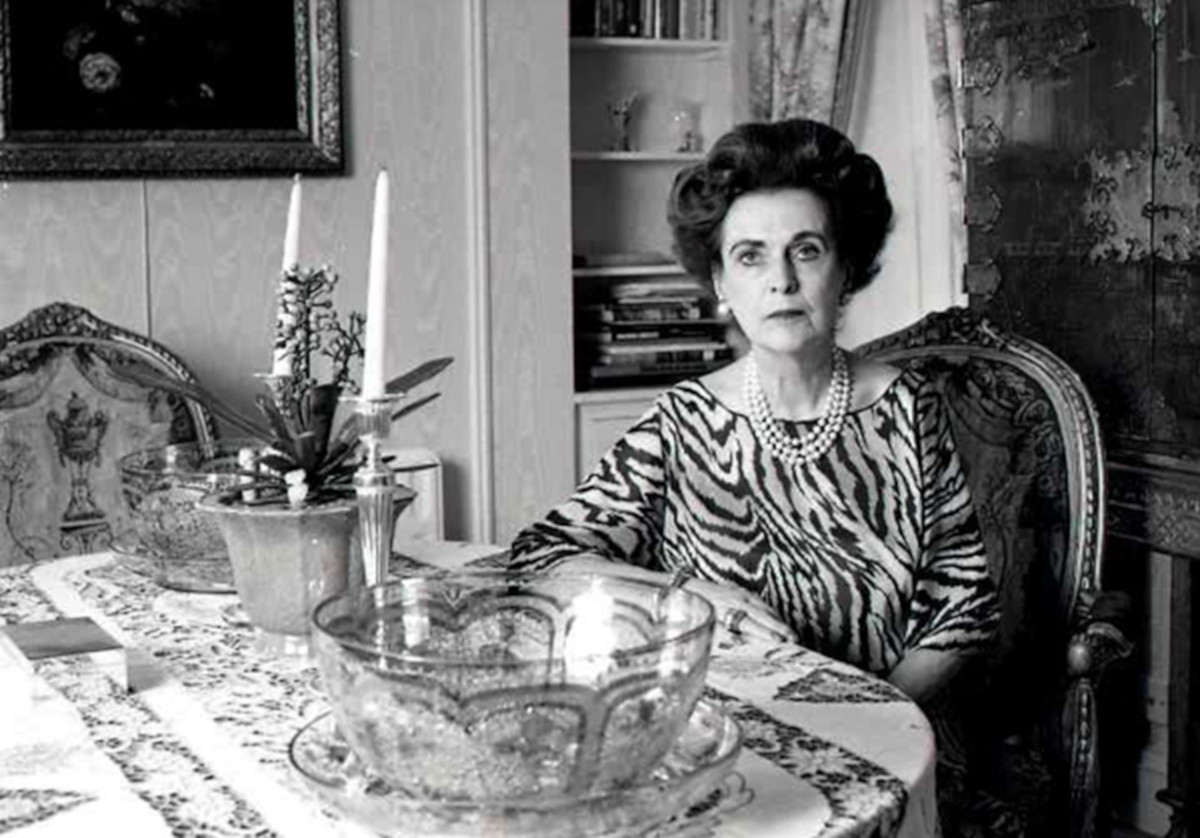
In 1963, Britain was rocked by a divorce case so scandalous it eclipsed even the Profumo affair in its sheer audacity. Margaret Campbell, the Duchess of Argyll, found herself at the center of a media storm when her husband, the 11th Duke of Argyll, produced a series of devastating polaroids as evidence of her infidelity. Among these stolen images was the infamous “headless man” photograph – a picture showing the Duchess wearing nothing but her signature three-strand pearl necklace, performing a sex act on an unidentified man whose head was conspicuously absent from the frame.
For decades, the identity of this mysterious lover remained one of the most fiercely debated secrets in British high society. The Duchess of Argyll took the secret to her grave in 1993, never publicly revealing the man’s name. However, persistent rumors, government inquiries, and modern historical analysis have finally shed light on who the headless man truly was.
A Vicious Divorce and Stolen Evidence
The marriage between Margaret and Ian Campbell was notoriously volatile. The Duke, desperate for a divorce and financially motivated, engaged a locksmith to break into a cupboard at the Duchess’s Mayfair home to steal her personal diaries and a collection of explicit Polaroids. These photographs became the cornerstone of his case against her. The presiding judge, Lord Wheatley, delivered a brutal 50,000-word judgment that condemned the Duchess, branding her a completely promiscuous woman who had indulged in “disgusting sexual activities.”
he media dubbed the unidentified figure the “headless man,” and the public’s imagination ran wild. The mystery was compounded by the fact that the Duke produced a list containing as many as 88 men he believed his wife had consorted with, including government ministers and members of the royal family. The search for the headless man became a national obsession, leading to wild speculation and intense scrutiny of the British establishment.
The Prime Suspects: A Cabinet Minister and a Hollywood Star
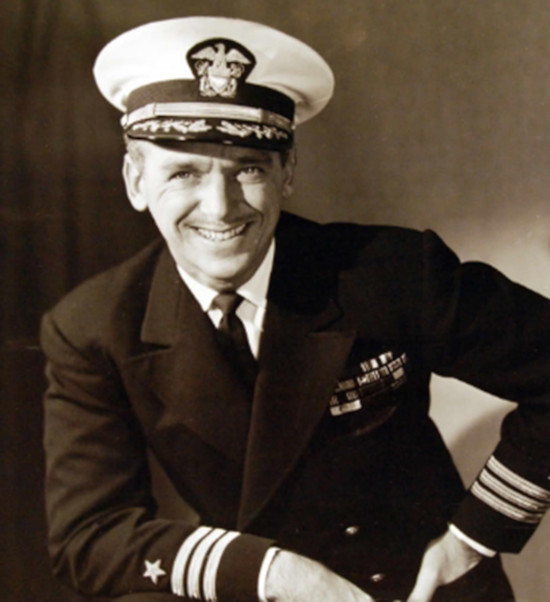
Two names consistently topped the list of suspects for the headless man: Duncan Sandys, the Secretary of State for Commonwealth Relations and Winston Churchill’s son-in-law, and Douglas Fairbanks Jr., the dashing American actor. Both men fiercely denied any involvement, but the circumstantial evidence was compelling.
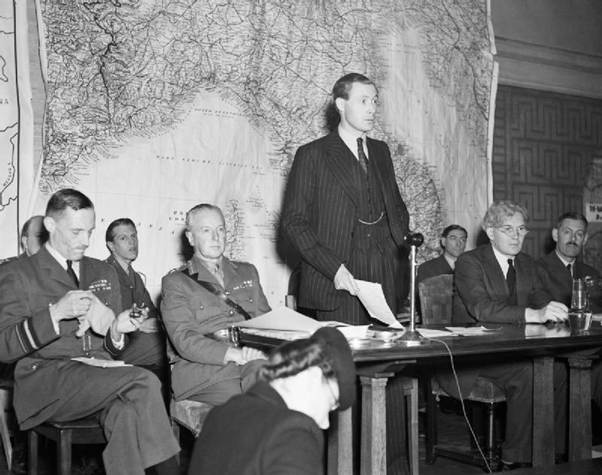
Duncan Sandys was the primary suspect for many years. The government even launched a secret inquiry, led by Lord Denning, to determine if the headless man was indeed Sandys. Denning reportedly compared the handwriting on the back of the polaroids to Sandys’ and even examined the physical characteristics visible in the photo. Despite the strong suspicions, the inquiry concluded without definitively naming him, likely to avoid further political embarrassment following the Profumo scandal.
Douglas Fairbanks Jr. was the other leading candidate. Known for his charm and close ties to British aristocracy, Fairbanks was a frequent guest of the Duchess. The speculation surrounding him was so intense that he was forced to issue public denials. However, recent revelations suggest that the mystery of the headless man might not have a single answer.
- UK Prime Minister Turned Traitor: Was Harold Wilson a Communist Spy?
- The Mitford Sisters: Wild Divergence
Two Headless Men? The Final Verdict
In a stunning twist, a Channel 4 documentary broadcast in 2000 claimed that there wasn’t just one headless man, but two. According to the documentary, which cited insider sources and detailed analysis, both Duncan Sandys and Douglas Fairbanks Jr. were featured in the infamous polaroids.
The investigation suggested that Sandys was the man in the most notorious photograph, while Fairbanks appeared in other explicit images stolen by the Duke. This dual-identity theory aligns with the sheer volume of evidence presented during the divorce trial and the conflicting rumors that circulated for decades. The Duchess’s refusal to name her lovers, coupled with the establishment’s desire to protect its own, allowed the mystery to endure. Today, the tale of the headless man remains a defining chapter in the history of British scandals, a potent mix of sex, class, and betrayal.
Top image: Portrait of Margaret Duchess of Argyll in her dining room in The Grosvenor House London taken by Allan Warren Source: Allan warren/CC BY-SA 3.0
By Gary Manners
References